Social and working history
|
The bulk of the Museum's three-dimensional object collections are contained in the Social and working history collection. A great variety of subjects are represented and most objects have good London contexts and supporting information.
|
Social history
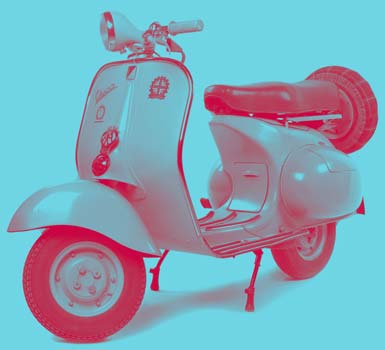
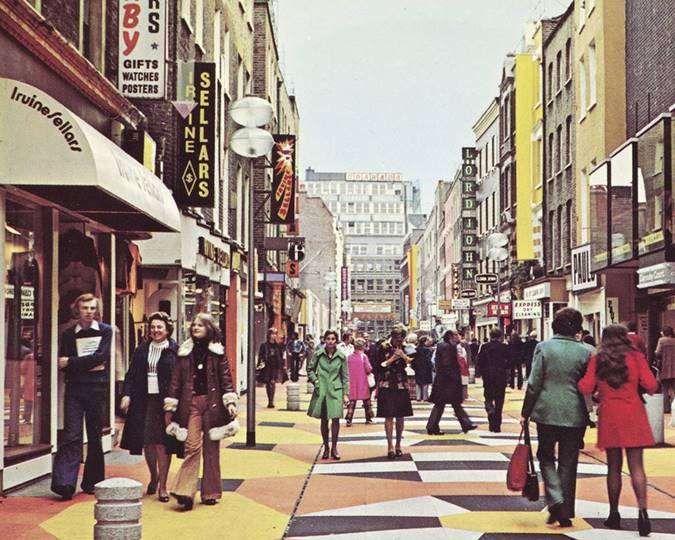
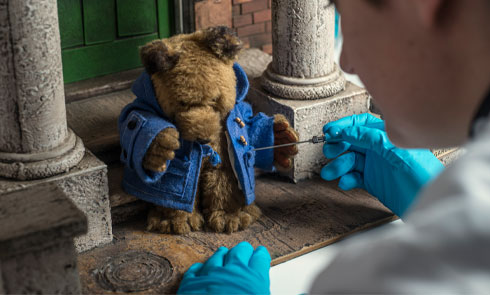
General domestic material: good holdings of toys, including the Ernest King collection of Edwardian penny toys; vehicles; food packaging; architectural and building fragments, street furniture, shop fronts and interior fittings from a variety of London buildings.
Working history
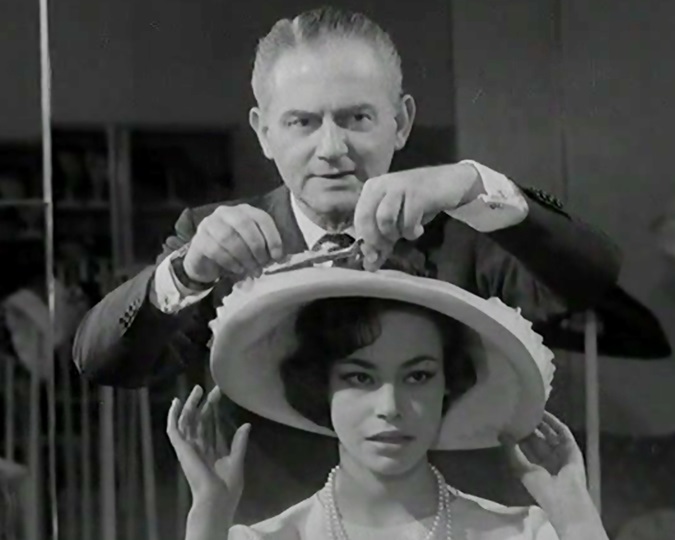
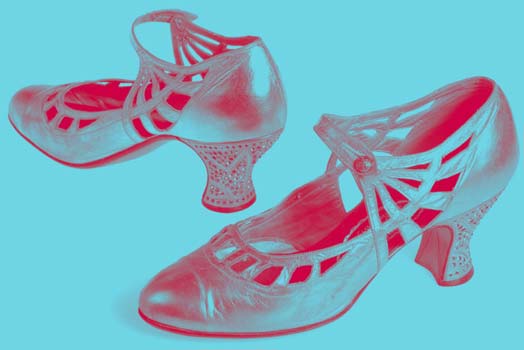
The Museum's collection of tools and workshop material is one of the largest in the UK. Many trades are represented including clock and watchmaking, wheelwrights, glass-making, silk-weaving, braid-making, shoe-making and repairing, silversmiths, button-making, printing, engraving, ballet shoe-making. Many of the workshop groups include equipment, tools, fittings and archive material. There are representative holdings of general office and London markets equipment and material from London's entertainment industries.
Printed ephemera and archives
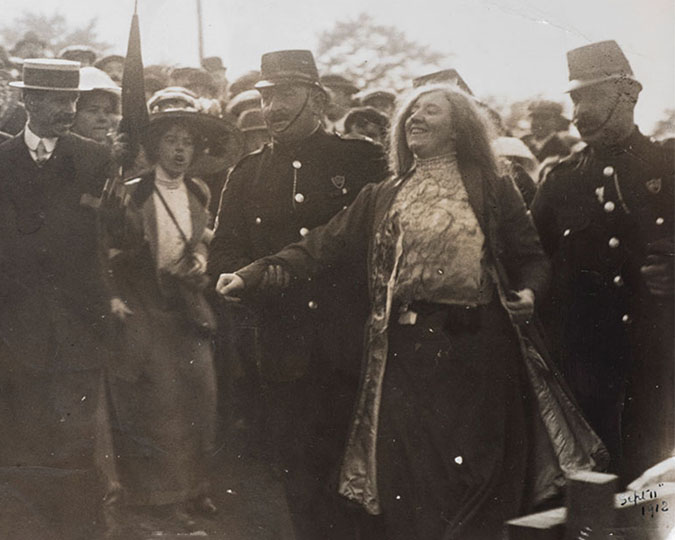
An internationally important holding of suffragette material, based on the archive of the Women's Social and Political Union; business archives from the Whitefriars Glassworks; papers related to Imre Kiralfy, Kibbo Kift, the Festival of Britain, London theatres; 19th-century valentines and tinsel prints; general material on London subjects include a good collection of trade cards and material on pleasure gardens, fashion, eating and drinking, shops and shopping (including department stores), local and national government and royalty.
Telecommunication is a particularly strong area of the collection with a range of telephone kiosks, telephones, telegraphic instruments and exchange equipment. The Museum is one of the partners of Connected Earth, founded by BT, and artefacts can be viewed online at
http://www.connected-earth.com/.
Please note
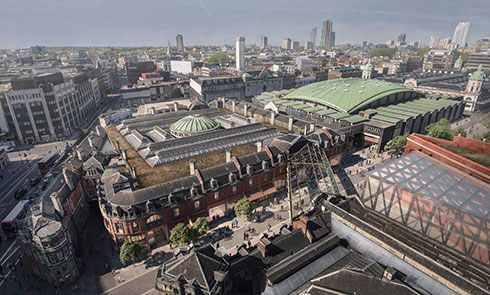
The Museum of London is undergoing a huge redevelopment and the galleries stop at 1666, with the exception of objects in temporary exhibitions. Objects will still be available for individual study by appointment: please apply to the Later London history department on 020 7814 5750.