Skip to search form

Related subjects:

Spanish London

Sephardic Jews fled the Spanish Inquisition for London from 1494. Catharine of Aragon, Henry VIII’s first wife, was Spanish and her daughter Mary married Philip II of Spain and tried to reinstate Catholicism in England.

The 16th century saw the arrival of Protestants fleeing the Spanish Netherlands and bringing new crafts and industries to London.

The Spanish Civil War of the 1930s brought an influx of political exiles to the capital, followed by intellectuals and immigrants escaping Franco’s regime.

We saw people who were dying or who were leaving, to other parts of the Basque country, in the mountains away from the bombing, or to France…My mother said we were ‘going now’…We knew we were coming to England.

Jesús Martínez, Spanish Civil War refugee, Museum of London oral history archives

Sephardic Jews called ‘Marranos’ were forced by the Spanish Inquisition to convert to Catholicism. Many fled to London from 1494. After Cromwell readmitted the Jews to Britain in 1656, more of these Marranos arrived via Amsterdam.

Large numbers of Protestants from the Spanish-ruled Netherlands moved to London from the mid 15th century as England became Protestant under Henry VIII. They stimulated the further development of numerous crafts and industries. Key among these were the textile and clothing industry, ceramics and glass manufacture, printing and engraving.

In 1501 Catherine of Aragon came to London aged 15. After the early death of her first husband, she became Henry VIII’s first wife.

Their daughter Mary Tudor attempted to re-introduce Catholicism as the state religion during her own reign and married Philip II of Spain. Both women brought the influence of Spanish culture to the royal court.

The 19th century saw the arrival of Spanish political exiles who settled in Somers Town in north west London.

Many more thousands of Spaniards were made refugees by the Spanish Civil War fought between 1936 and 1939.

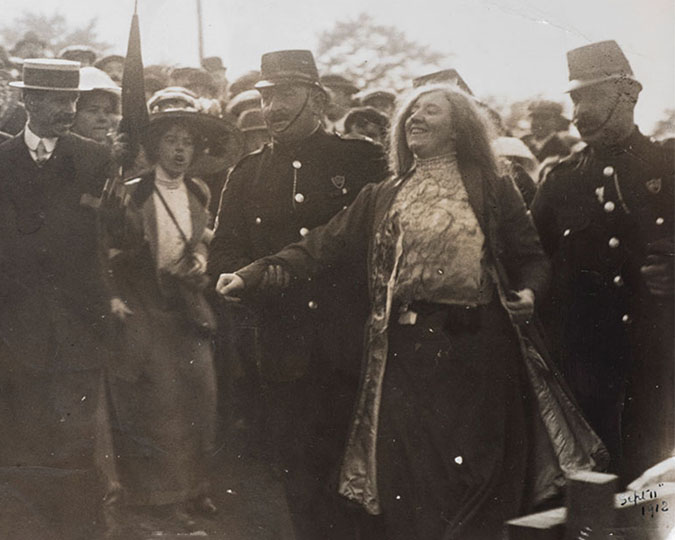
After the right-wing General Franco came to power in 1939, a number of Spanish political exiles were granted asylum in Britain. This group of exiles founded ‘El Hogar Español’, the Spanish House in Bayswater. From here they organised demonstrations against Franco’s authoritarian government. A mixture of Spanish intellectuals and immigrants seeking work settled around Ladbroke Grove and Victoria.

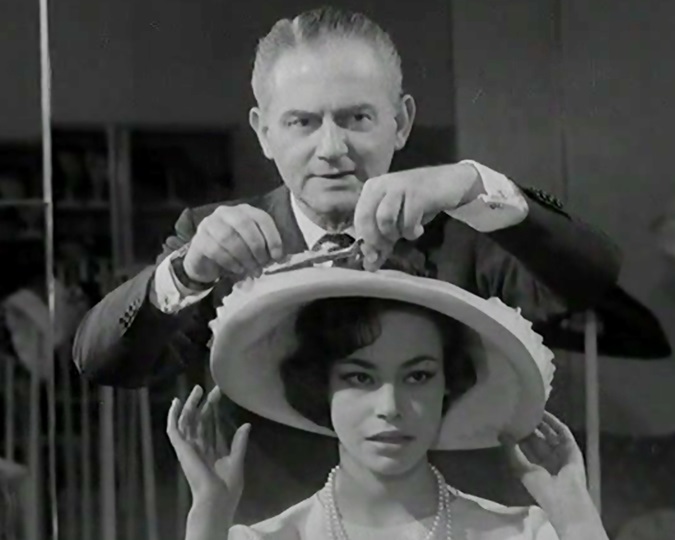
Spain suffered postwar economic problems, causing an exodus of working class Spaniards. Those who came to London were employed as domestic servants, cleaners, waiters, chefs and porters in hotels, restaurants and hospitals.

Franco’s death in 1975 allowed Spain to become a democracy once more and many Spaniards in London returned to their homeland.

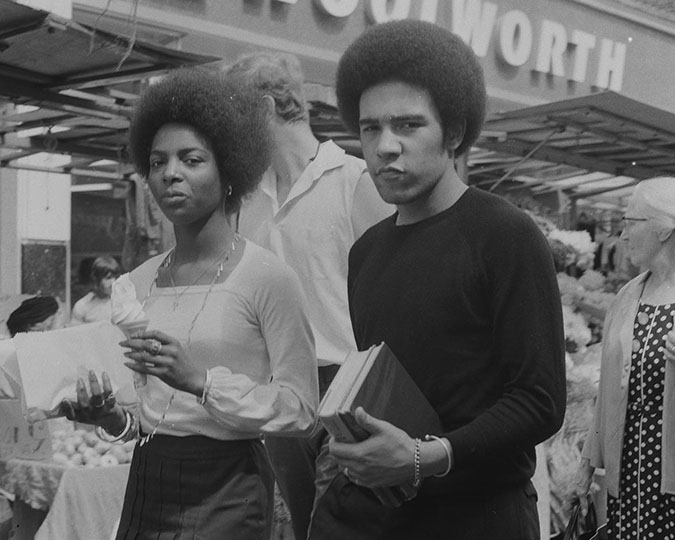
The 2001 census recorded over 22,000 Spaniards resident in London. Portobello Road and Ladbroke Grove are still centres of Spanish settlement, with culinary specialties on offer in local restaurants and grocers.

Two main organisations, both based in Belgravia, host Spanish cultural events and offer language classes and access to a library. Canning House was founded in 1943 to promote understanding between Britain, Spain, Portugal and Latin America and is home to the Hispanic and Luso Brazilian Council. Nearby is a branch of the Instituto Cervantes, a cultural organisation run by the Spanish government.

The actor Alfred Molina's father was a Spaniard who worked in London as a waiter and politician Michael Portillo is the son of a Civil War exile.

Bibliography

Links

The Museum of London Group is funded by the City of London and the Greater London Authority. Museum of London, London Wall, LONDON EC2Y 5HN, United Kingdom. Copyright Museum of London. Legal notices & Disclaimer. This site is maintained by the Museum Systems Team.