Hinduism is India’s principle religion and way of life dating back 5,000 years.
Its best known modern practitioner is Mahatma Gandhi, who studied in London to become a lawyer. He later used non-violent political resistance based on Hindu beliefs to achieve independence for India.
Formerly, a social system operated within Hinduism consisting of four castes: priests, warriors, merchants and farmers, and peasants. A group called the ‘untouchables’ did the most menial work. This system was outlawed in the 1950s, but it still influences Hindu attitudes.
Hindu beliefs are embodied in some of the oldest religious texts in the world, the ‘Shrutis’ and the ‘Smritis’.
The goal of Hindus is to achieve ‘moksha’, a state of spiritual union with God which ends the cycle of death and rebirth of the soul into different physical incarnations.
Hindu homes and temples possess shrines in which gods and goddesses are symbolised by statues and paintings. Hindus embellish these shrines with brightly coloured decorations and offer fruit and flowers to the gods.
However, all such gods are considered to represent different aspects of one universal spirit, Brahman.
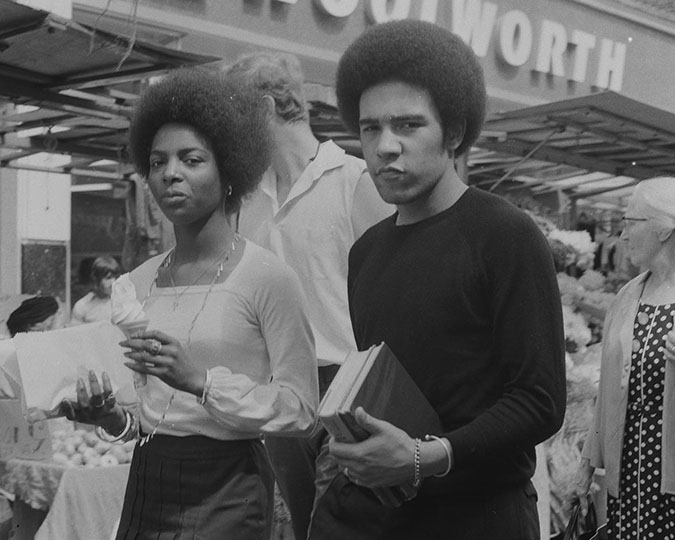
East African Asians who emigrated to Britain in the 1970s were largely Hindu and swelled the existing community in London. Others come from India and Sri Lanka and together they make up the third largest religious group in London.
A quarter of British Hindus has a degree and they are amongst the groups most likely to own their own homes. Although a large proportion works in low skilled jobs, one in twenty Hindu men are doctors.
There are over 290,000 Hindus in London, more than half the Hindu population of Britain. The largest communities are in Brent and Harrow. In 1995 Shri Swaminarayan Mandir, the largest Hindu temple in Europe, opened in Neasden.
The Hindu Forum of Britain is an umbrella body for over 270 British Hindu organisations. The Forum is recognised by the government and media as representing the Hindu community in Britain.
Bibliography
Links