Medieval London and the Medieval Gallery

The medieval gallery tells the story of London from the collapse of the Roman city in the 400s to the accession of Queen Elizabeth I in 1558.

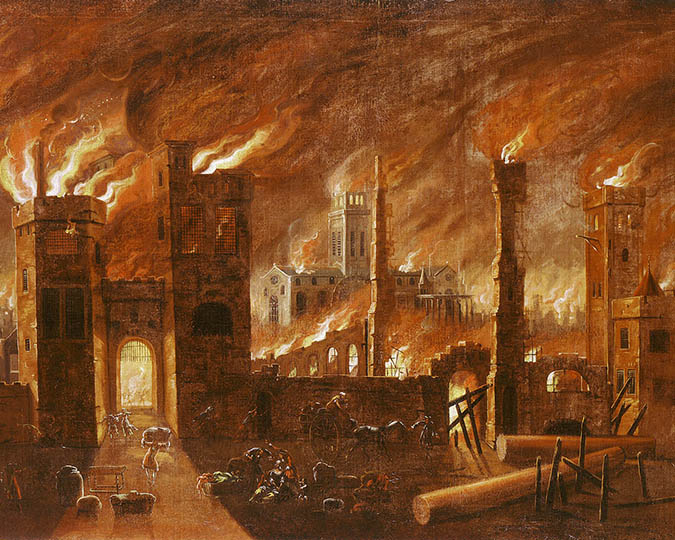
During this time London was destroyed by invaders, racked by famine, fire and disease, and torn apart by religious and political controversy. Still it grew to become one of the largest, wealthiest and most important cities in Europe, the capital of the Kingdom of England and a place of truly international status.

The gallery offers a fresh perspective on these 1,000 eventful years, arguing that the familiar dates of 1066 (the Norman Conquest) and 1485 (the end of the Wars of the Roses) – while politically significant – had little impact on the lives of ordinary Londoners.

Two other dates are much more important: 886, the year in which King Alfred refounded London within the old Roman walls, and 1348, when the Black Death destroyed half Europe’s population. It is around these turning-points that the gallery is organised.

London’s story is illustrated by over 1,300 exhibits, which include children’s toys, fraudulent dice and a gold crucifix containing what purported to be a fragment of the True Cross. Many items come from recent archaeological digs, where deep waterlogged deposits along the Thames have preserved England’s finest surviving collection of medieval leatherwork.

The outrageously-pointed shoes that were fashionable in the 1390s not only invite ridicule but also remind us of the dangers of putting fashion before healthcare. Evidence of serious deformities, caused by badly-fitting footwear, remains imprinted on the leather.


The Museum of London Group is funded by the City of London and the Greater London Authority. Museum of London, London Wall, LONDON EC2Y 5HN, United Kingdom. Copyright Museum of London. Legal notices & Disclaimer. This site is maintained by the Museum Systems Team.